

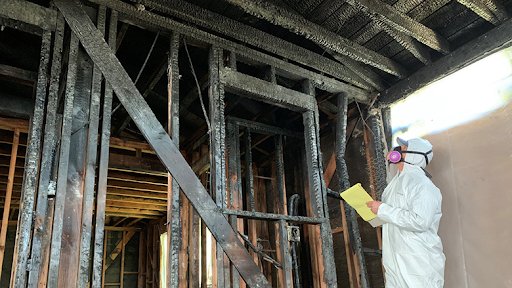
Fire damage restoration steps begin after emergency authorities allow access. Heat, smoke, soot and firefighting water can affect different parts of a property. First, follow the instructions given at the scene. Then arrange a review of the affected rooms before deciding on cleaning and repairs.
Assess more than the burn mark
The fire may damage one room most, while smoke reaches nearby spaces. Water used to control the fire may also wet floors and walls. Therefore, describe all known effects to the assessor. Avoid touching electrical equipment or unstable materials before officials confirm safe access.
Fire damage cleaning depends on the material
A painted wall, fabric item and unfinished surface may respond differently to soot. Ask which materials the team can clean and which may need replacement. Surface testing and a defined scope help guide decisions. However, household cleaning attempts can sometimes make residue harder to address.
Include smoke and drying in fire recovery
Likewise, odour treatment should account for the source and affected materials. Meanwhile, check wet areas for moisture before closing surfaces. These fire damage restoration steps address the source, rather than hide a smell or cover staining. Ask how the team will coordinate cleaning, drying and repairs.
Prepare records and next steps
Keep safe photos, dates and written scopes. Also ask your insurer about its documentation requirements; coverage is its decision. Read Ontario’s home fire safety guidance for prevention. For our Toronto fire cleanup service, call 416-989-5859 with the address and access status.
Fire recovery questions
When can I start fire cleanup?
Follow the instructions of emergency authorities and the professionals assessing the property.
Can smoke affect rooms without visible burning?
Yes. Smoke and residue can travel beyond the area where the fire started.
Why might drying be needed?
Firefighting water can leave building materials wet.
Can you save every smoke-damaged item?
No. The material, damage and assessment findings guide that decision.
Who decides insurance coverage?
Your insurer decides coverage under your policy and claim circumstances.
Share this... Spread the word!


