

Water Damage
Water damage restoration: assess affected materials
Water damage restoration begins with the source of the leak and the materials it has reached. Water from a pipe, appliance or roof may travel beyond the visible stain. Restoration Plumber helps Toronto owners plan water removal, moisture checks and drying for affected homes and businesses.
- Review the source and spread
- Check wet walls and floors
- Plan water removal and drying
- Explain repair decisions
First, stop the source where it is safe to do so. Stay away from wet electrical equipment, loose ceilings and unstable floors. Then, describe which rooms are wet and when the leak began. Ontario’s flood safety guidance is useful when there is standing water or unsafe access.
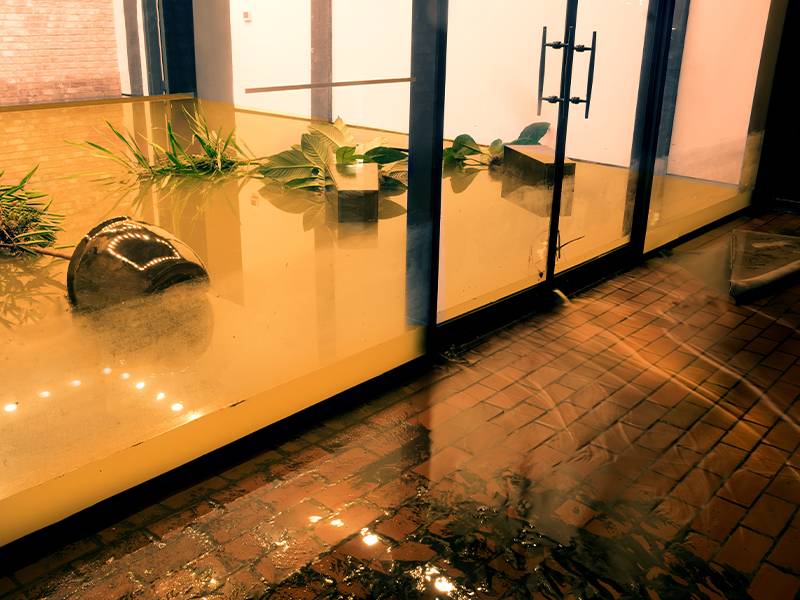
Water Damage planning
01
Assess
First, identify the leak and water-damaged rooms.
02
Plan
Next, plan water extraction and material checks.
03
Review
Finally, review drying before closing wet spaces.
Water damage checks beyond the surface
For example, a dry-looking floor may still hide moisture beneath its finish. Likewise, a ceiling stain may be smaller than the wet area above it. Therefore, moisture readings and material checks help define the work. The plan may include water extraction, drying equipment or controlled removal of damaged materials.
Next, we review how the room is used and whether it connects to occupied spaces. However, drying conditions and access can change during the job, so the plan needs ongoing checks. Read about specialty drying for concealed moisture. If floodwater entered from outside, see our flood restoration service.
Keep photos, dates and receipts for your records. Also, ask your insurer which information it needs and whether an inspection is required. However, coverage depends on the policy and cause of loss. Finally, agree on the repair scope after cleanup and drying needs are clear.
Call 416-989-5859 to discuss water damage restoration in Toronto. Tell us the water source, affected rooms and any access concerns.
Water Damage FAQs
Can water spread behind a wall?
Yes. For example, it can move through cavities and beneath finishes beyond the visible wet area.
Does every wet wall need removal?
No. The material, condition and water source help determine whether drying or removal is suitable.
Why take moisture readings?
Readings help identify wet materials and track drying alongside other site observations.
Can I paint over a water stain?
First address the leak and check the material. However, paint does not fix moisture or damaged surfaces.
When can repairs start?
First, complete the necessary cleanup, removal and drying checks. Agree on the scope before work begins.