

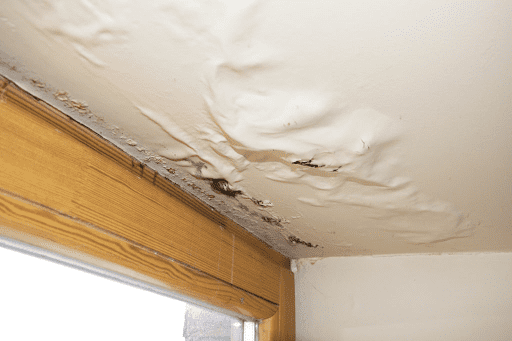
Regular checks can help prevent water damage, although no routine removes every risk. First, check places where water enters, drains or collects. Then keep a simple record of changes so small warning signs are easier to spot.
1. Prevent water damage: know the shutoff
Know where it is and keep safe access clear. Also explain its location to other adults in the household.
2. Look beneath sinks
Next, check visible joints and cabinet floors for drips or staining. If moisture returns, arrange a repair instead of repeatedly wiping it away.
3. Review appliance connections
Also, look for visible leaks around washers and dishwashers. Also follow the manufacturer’s maintenance advice and replace damaged parts through a suitable professional.
4. Watch the ceiling
New stains may point to a plumbing or roof problem. Therefore, record the location and investigate the source before repainting.
5. Reduce water damage risks with clear drains
Check accessible drains and maintain gutters safely. However, use a professional where height or access makes the work unsafe.
6. Notice slow drains
Repeated slow flow or gurgling deserves attention. Instead, look for a pattern, especially if several fixtures change at once.
7. Review basement storage
Raise important items above the floor where possible. In addition, keep essential papers in secure, suitable storage.
8. Follow sump equipment guidance
If your home has a sump system, follow its inspection and maintenance instructions. Then ask a qualified professional about any fault or concern.
9. Water damage prevention starts with dampness
Persistent condensation or musty odours may indicate a moisture issue. Early assessment, therefore, can help identify the source before finishes are replaced.
10. Keep an emergency plan
Read Ontario’s flood guidance and keep key contacts accessible. To discuss a leak or water damage cleanup, call 416-989-5859. These checks help prevent water damage, but active leaks still need prompt attention.
Water damage prevention questions
Can routine checks prevent every loss?
No. Although checks can help identify problems, they do not remove all risks.
What should I check first?
Start with visible leaks, water connections and the location of your shutoff.
Should I paint over a ceiling stain?
First, investigate the source and material condition before making cosmetic repairs.
Do repeated slow drains matter?
Yes. Recurring changes should be assessed rather than ignored.
Where should I store important papers?
Use secure storage away from likely leak points and keep suitable protected copies.
Share this... Spread the word!


