Emergency Plumber
An emergency plumber checks leaks, burst pipes and drain backups. First, discuss the source; then plan any water cleanup needed in the affected rooms.


Restoration Plumber helps Toronto property owners discuss plumbing, water damage, fire cleanup, mold removal and drying. Call with your address and damage details.



An emergency plumber checks leaks, burst pipes and drain backups. First, discuss the source; then plan any water cleanup needed in the affected rooms.
Fire can leave soot, smoke and firefighting water. Once access is allowed, assess affected materials and plan fire damage cleanup before repairs.
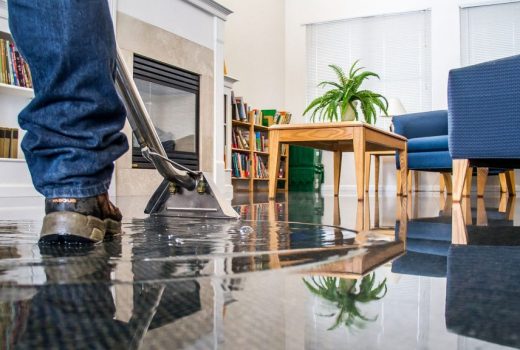
Flood restoration starts with the water source and safe access. Next, assess wet floors, wall cavities and belongings to plan cleanup and drying.
Mold removal starts with moisture control. Then review affected surfaces and materials, so cleanup addresses the conditions that allowed mold to grow.
A sewer backup can affect drains, floors and walls. First, assess the drainage fault; then plan sewage cleanup for contaminated rooms and materials.
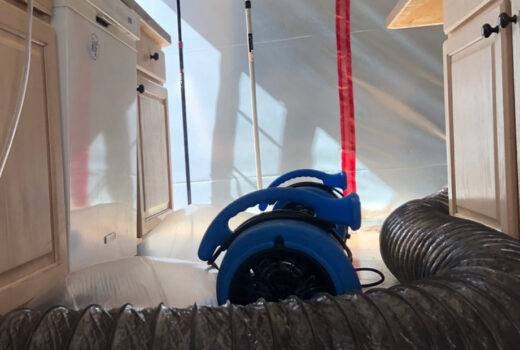
Specialty drying addresses moisture in floors, walls and ceilings. After assessment, select drying methods for the materials and check progress before repair work.
Water damage can spread beyond the visible leak. First, locate the source; then assess wet materials and plan water removal, cleanup and drying.

A plan for the affected rooms

Mold removal methods should match the affected material and the source of moisture. A small mark on a washable surface is different from…
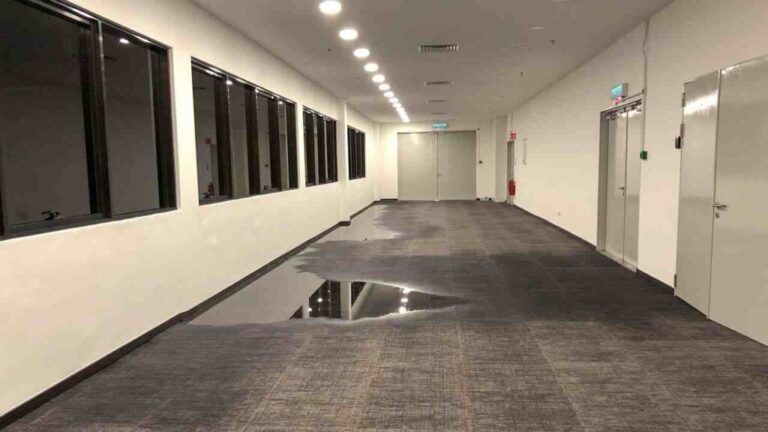
The main water drying steps are to address the source, assess affected materials, remove water where safe and track moisture. These stages may…

Fire damage restoration begins after emergency authorities allow access. Heat, smoke, soot and firefighting water can affect different parts of a property. First,…

Regular checks can help prevent water damage , although no routine removes every risk. Start with places where water enters, drains or collects.…

 Optimized by Seraphinite Accelerator