

Flood Restoration
Plan cleanup after a flood
Flood restoration starts with the source of the water and safe access to the property. A basement flood can soak flooring, wall cavities and stored items. In a business, it may also affect shared halls and stock. Restoration Plumber helps Toronto owners plan water removal, cleanup and drying around these conditions.
- Check the water source
- Review affected rooms and contents
- Plan cleanup and drying
- Agree on the repair scope
First, tell us where the water entered and whether it is still rising. Keep people away from wet electrical equipment and damaged ceilings. Then, once entry is safe, we can review the affected rooms and explain the work needed. Read Ontario’s flood safety guidance before entering a flooded building.
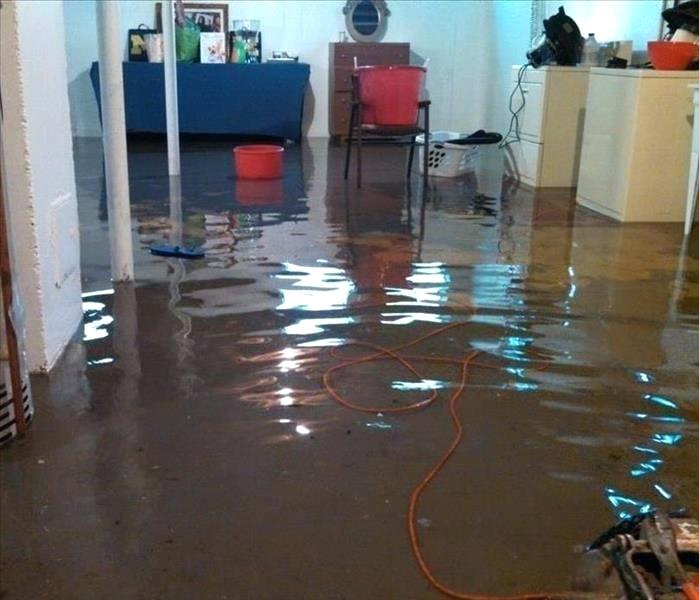
Flood Restoration planning
-
Assess
01
First, locate the floodwater source and affected rooms.
-
Plan
02
Next, agree on flood cleanup, drying and material removal.
-
Review
03
Finally, review flood damage before planning repairs.
Water removal, drying and repairs
Standing water is only part of flood damage. For example, moisture can remain under floors and behind trim after the surface looks dry. Therefore, moisture checks help guide equipment placement and further work. Some wet materials can be cleaned and dried. In contrast, damage or contamination may mean others need removal.
Next, we discuss how to separate the work area from occupied rooms. However, the cleanup method depends on where the water came from and what it touched. For a drain overflow, see our sewer backup service. Also, read about specialty drying.
Also, take photos from a safe location and ask your insurer what records it needs. In addition, keep a list of damaged items and any cleanup receipts. Your insurer decides coverage; a restoration assessment does not confirm that a claim will be paid. Finally, agree on the repairs once the cleanup and drying needs are understood.
Call 416-989-5859 to discuss flood restoration in Toronto. Share the address, water source and affected rooms so we can plan the next step.
Questions after a flood
Can I walk into a flooded basement?
Stay out if there may be electrical, structural or sewage hazards. Instead, wait for professionals to confirm safe access.
What happens after standing water is removed?
Next, wet materials and hidden spaces need checking. Then use those findings to decide on drying and removal.
Do all flooded floors need replacement?
No. Instead, assess the material, contamination and damage to decide what to keep.
How long does flood restoration take?
The time depends on the water source, materials and drying checks. Confirm the plan after assessment.
Which records should I keep?
Keep safe photos, dates, item lists and receipts. Ask your insurer about its claim requirements.